
Golden Girls: How 2 Generations of Women Were Raised to 2 Different Results
Few television shows have traveled across generations the way The Golden Girls has.
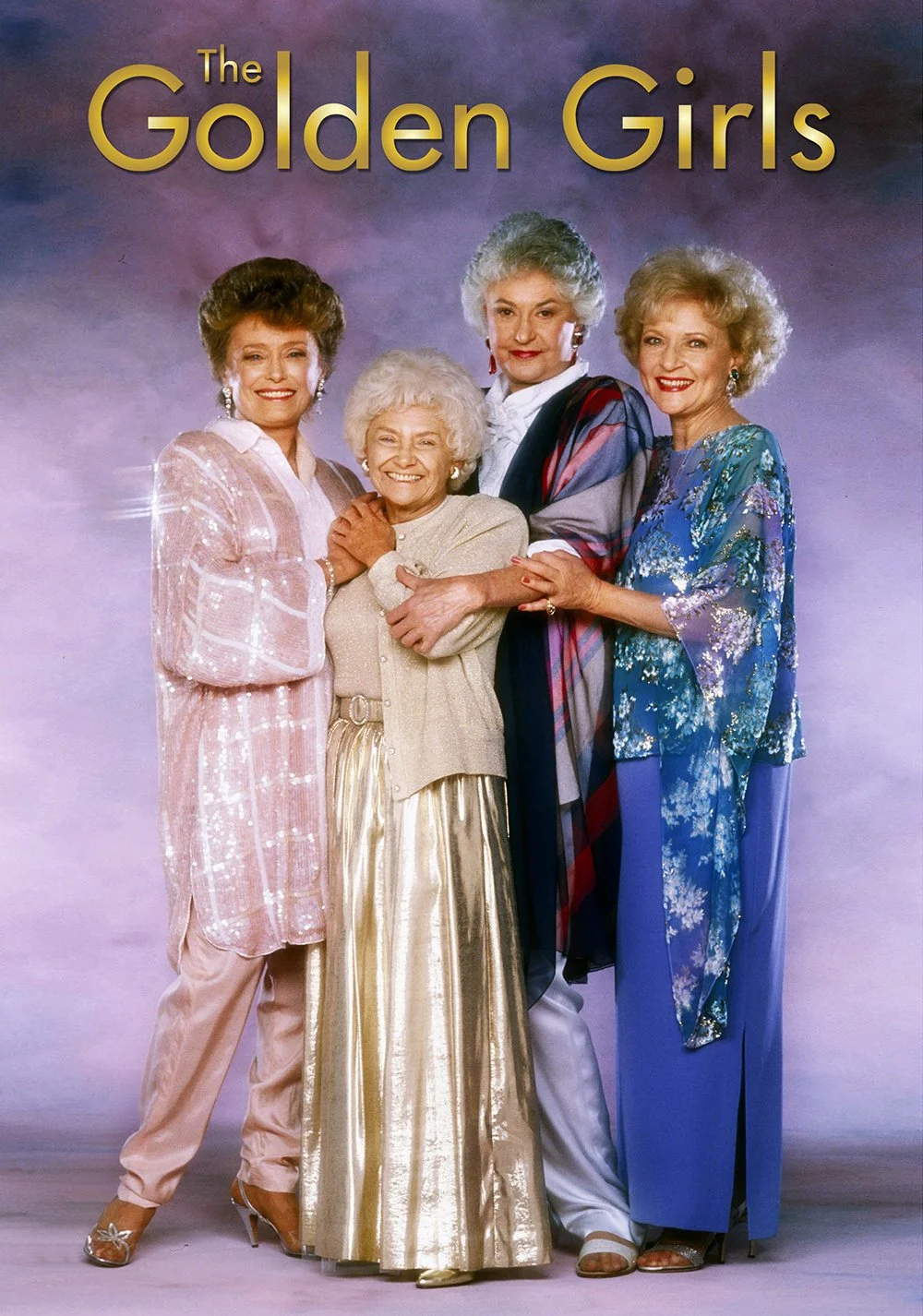
Originally airing from 1985 to 1992, the show followed four older women sharing a home in Miami: Dorothy Zbornak, Blanche Devereaux, Rose Nylund, and Sophia Petrillo.
But what’s fascinating isn’t just the show itself.
It’s the two completely different groups of women who grew up loving it.
The women who watched it during its original run…
and the women who discovered it later in syndication on channels like ION Television.
Both generations adore the show.
But they were shaped by it in very different ways.
The First Generation: Women Watching It in Real Time
When The Golden Girls premiered in the mid-1980s, it was radical.
The show centered older women who were:
independent
dating
opinionated
financially responsible for themselves
This was unusual for television at the time.
For many women watching during the original broadcast era, the show represented a glimpse of what aging could look like if independence remained intact.
Divorce, widowhood, dating after 50, and female friendship were all treated with humor instead of shame.
The women watching in the 80s often saw the characters as a possible future version of themselves.
The show gave them permission to imagine that life didn’t stop after marriage or motherhood.
It simply changed shape.
The Second Generation: Women Raised on Syndication
Decades later, the show found new life through reruns.
Channels like ION and late-night cable blocks introduced the series to younger audiences who had never seen it during its original run.
These viewers grew up in a completely different cultural environment.
For them, The Golden Girls wasn’t a glimpse of the future.
It was a comforting artifact of the past.
Instead of seeing Dorothy or Blanche as potential versions of themselves, many younger viewers saw them as:
grandmother figures
nostalgic comfort characters
symbols of cozy television
The humor still worked. The chemistry still sparkled.
But the cultural impact landed differently.
Same Show, Different Cultural Moment
This is where the generational divide becomes interesting.
The women who watched the show live in the 80s experienced it as a form of social permission.
It normalized independence for older women.
It challenged expectations about aging.
It showed women creating lives outside traditional family structures.
Meanwhile, younger viewers who discovered the show later encountered it in a world where many of those ideas had already become normalized.
What once felt groundbreaking now felt timeless.
The message was the same.
But the context surrounding the message had changed.
Why Both Generations Love It
Despite these differences, both generations of viewers remain fiercely loyal to the show.
That’s because The Golden Girls works on a level deeper than cultural commentary.
At its core, it’s about something universal:
Friendship.
The bond between Dorothy, Blanche, Rose, and Sophia captures a form of chosen family that resonates across decades.
Whether someone watched the show in 1987 or discovered it on cable years later, that emotional core still lands.
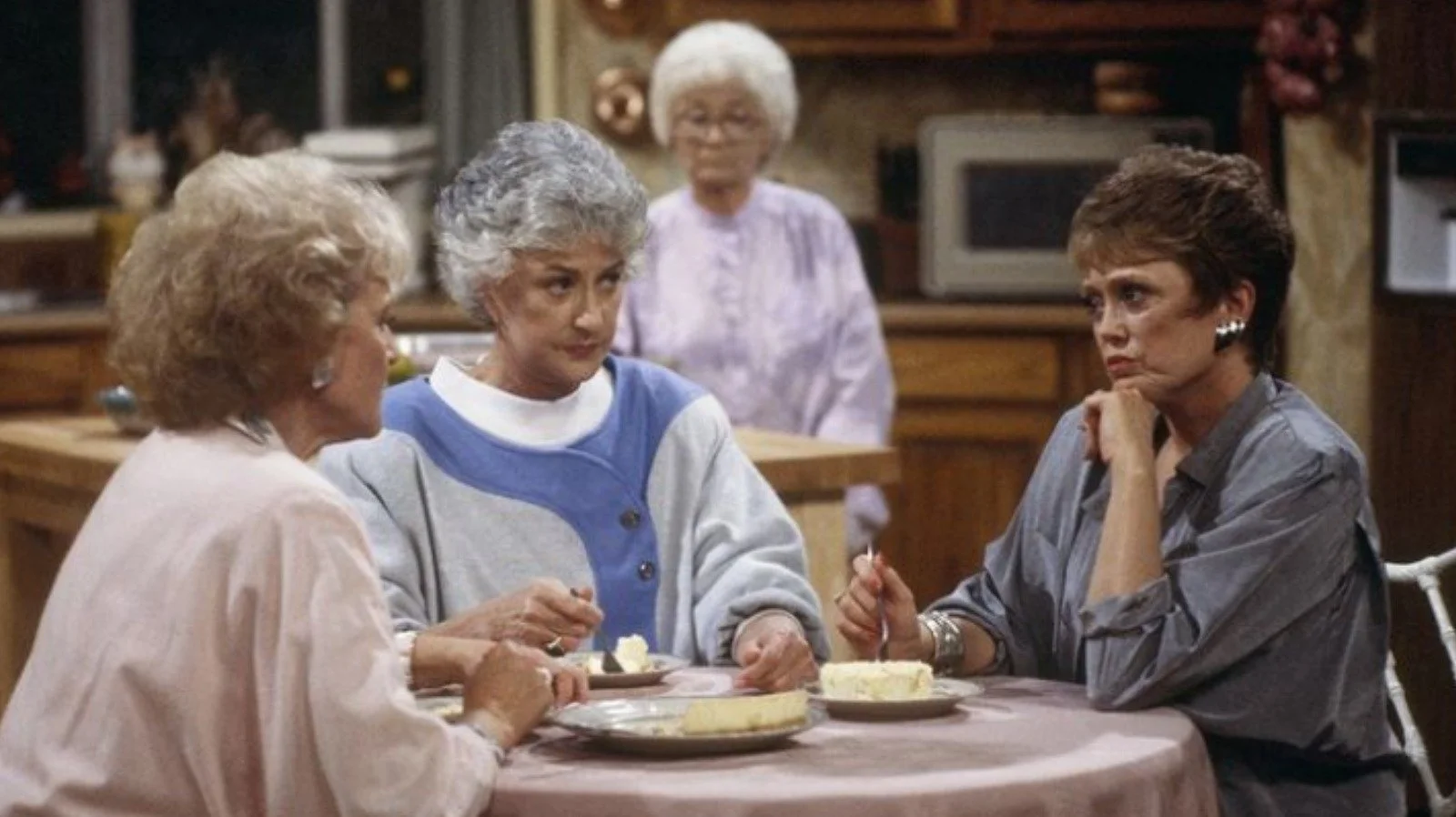
Four women around a kitchen table eating cheesecake and solving life’s problems together.
Somehow, it never stops feeling relevant.
Two Outcomes, One Legacy
The women who watched the show during its original broadcast often carried its lessons forward into their own lives.
The women who discovered it later inherited those cultural shifts as part of their reality.
Two generations.
Two different outcomes.
Yet both share the same affection for the show that started it all.
In a strange way, The Golden Girls became more than just a sitcom.
It became a bridge between generations of women who laughed at the same jokes… while living in very different worlds.
Breaking Bad is the Best TV Show of All-Time
Every era of television has its great shows.
Some redefine a genre.
Some introduce unforgettable characters.
Some dominate pop culture for a few years before fading into nostalgia.
But every once in a generation, a show appears that changes the standard for everything that comes after it.
For many viewers, that show is Breaking Bad.
Not just a great show.
Not just a cultural phenomenon.
The best television show ever made.
A Simple Premise That Became Mythic
The brilliance of Breaking Bad begins with one of the cleanest premises in television history.
A mild-mannered high school chemistry teacher receives a terminal cancer diagnosis and decides to cook methamphetamine to secure his family’s financial future.
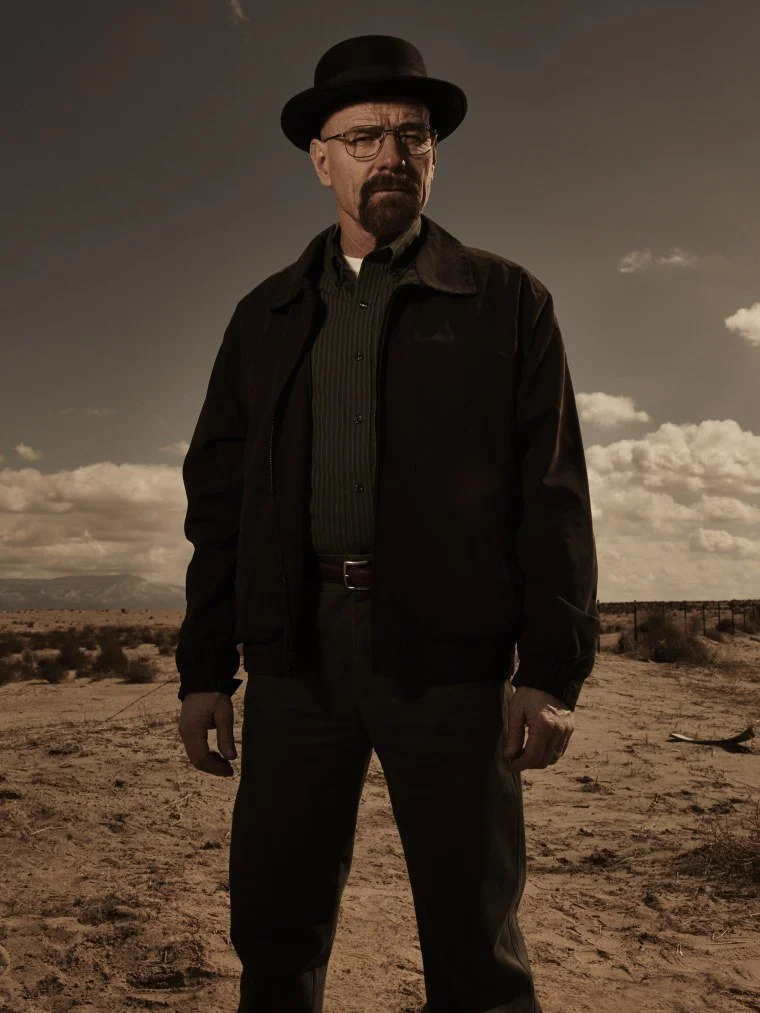
That teacher is Walter White.
At first, his decision seems understandable. Even sympathetic.
But the genius of the show lies in what happens next.
Instead of watching a hero rise, we watch a man slowly transform into the villain.
The Most Compelling Character Transformation Ever Written
Television has produced many iconic characters, but few arcs match the evolution of Walter White.
When the series begins, Walter is timid and frustrated with life. He feels invisible and disrespected.
But once he enters the criminal world, something inside him awakens.
Power.
Pride.
Control.
By the time he adopts the name Heisenberg, the transformation is complete.
What makes the arc so powerful is that the change never feels sudden or forced. It unfolds gradually, episode by episode, decision by decision.
The audience watches the moral line move… until it disappears entirely.
A Perfect Partnership
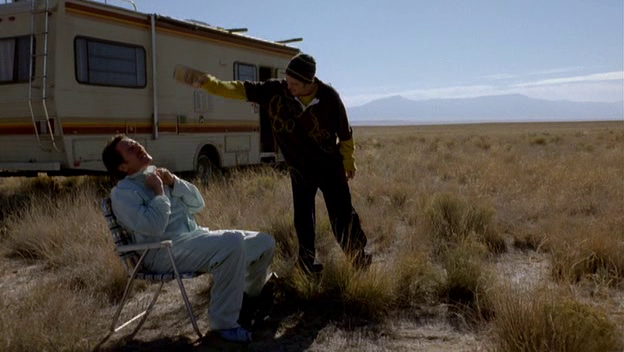
Another key ingredient in the show’s success is Walter’s unlikely partnership with Jesse Pinkman.
Jesse begins as a small-time drug dealer and former student of Walter’s.
Their relationship becomes the emotional core of the series.
Walter represents ruthless ambition.
Jesse represents conscience and vulnerability.
Together they create one of the most fascinating and heartbreaking dynamics ever seen on television.
Cinematic Storytelling
Part of what makes Breaking Bad feel so different from other television shows is its visual language.
Set in the stark landscapes of Albuquerque, the show often feels more like a carefully crafted film than a weekly series.
Wide desert shots emphasize isolation.
Close-ups capture every flicker of emotion.
Every frame feels intentional.
Instead of rushing the story, the creators allow tension to build slowly, turning even quiet moments into suspense.
A Show That Respects Its Audience
Breaking Bad never underestimates its viewers.
It refuses to rely on cheap twists or convenient storytelling.
Consequences matter.
Choices echo through future episodes.
Small details introduced early in the series become critical later.
That careful construction makes the show feel like a single, massive narrative rather than a collection of disconnected episodes.
By the time the final season arrives, every thread is tightening toward an inevitable conclusion.
The Rare Perfect Ending
Many legendary television shows struggle with their finales.
Breaking Bad did the opposite.
Its final episode delivers something incredibly rare: a conclusion that feels both surprising and completely earned.
Walter White’s story ends exactly where it was always heading.
The result is a finale that feels less like the end of a show and more like the final chapter of a modern American tragedy.
Why It Still Stands Above the Rest
Years after its finale, Breaking Bad continues to dominate conversations about the greatest television series ever created.
The reasons are simple but powerful:
a flawless character arc
unforgettable performances
cinematic storytelling
and writing that never compromises
It is a show that begins with a desperate decision and grows into a sweeping exploration of pride, power, and identity.
And by the time the final scene fades to black, one thing becomes clear.
Walter White didn’t just break bad.
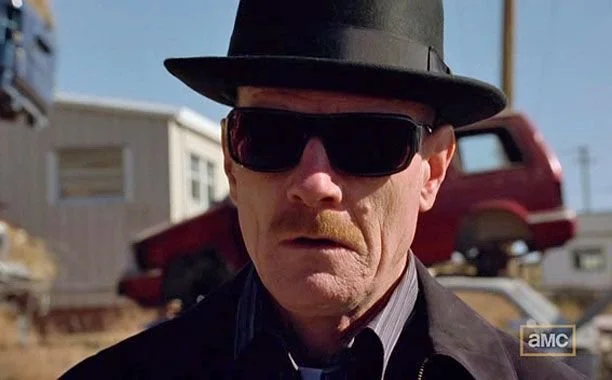
He helped create the gold standard for television storytelling.
How Stranger Things Beat the Algorithm
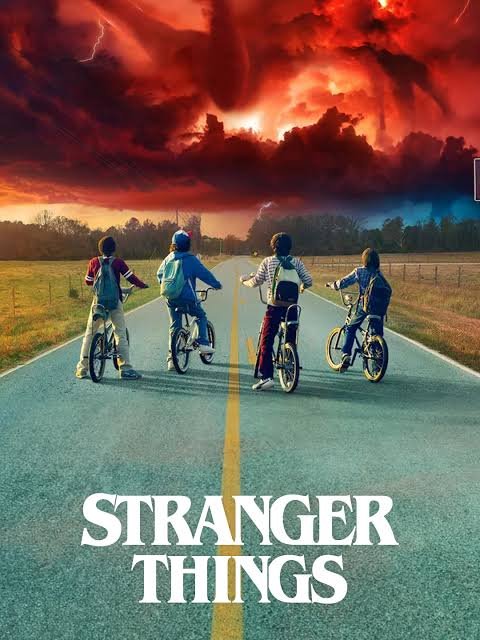
Streaming was supposed to kill monoculture. Instead, The Duffer Brothers reverse-engineered it with three weapons:
1. Weaponized Nostalgia
Not just ‘80s vibes—rewired memory itself:
Synths
Walkie-talkies
Suburban dread
Spielberg innocence + Stephen King terror
It didn’t just reference the past.
It made three generations feel like the past belonged to them.
2. Cross-Generational Entry Points
Kids watch for monsters.
Teens watch for identity.
Adults watch for trauma and time.
Same show.
Different emotional payloads.
That’s how you build monoculture now—you make something that means different things to different ages at the same time.
3. The Event-Season Model
Netflix broke weekly TV—then rebuilt it as spectacle:
Teaser drops
Trailer breakdowns
Volume 1 / Volume 2 splits
Internet blackout windows
“Don’t spoil it yet” social contracts
Everyone may not watch the same night.
But everyone watches the same week.
That’s the new monoculture rhythm.
The Characters Became Cultural Property
Not IP.
Cultural property.
Eleven isn’t a character. She’s a symbol.
Vecna isn’t a villain. He’s an event.
Max isn’t a fan-favorite. She’s a grief avatar.
You don’t just “like” these characters.
You process life through them.
That’s monoculture power.
The Soundtrack Hack: When TV Hijacks the Music Industry
When Kate Bush charted again decades later because of one scene, the industry should’ve shut down for the day.
That moment proved something terrifying:
A hit show can now rewrite the cultural past in real time.
That’s not nostalgia.
That’s temporal control.
Why Stranger Things Feels Like the End of an Era
It might be the last show that feels like this.
Not the last hit.
Not the last blockbuster.
Not the last popular series.
The last universal reference point.
We’re moving into:
Algorithm islands
Personalized feeds
Micro-fandom reality tunnels
But Stranger Things still exists in the old world:
Where everyone knows the same scene
The same song
The same monster
The same heartbreak
It is a broadcast-age miracle built inside a streaming apocalypse.
Final Verdict (TV Monoculture Index)
Stranger Things isn’t just a show.
It’s:
✅ A generational memory engine
✅ A corporate IP juggernaut
✅ A cultural reset button
✅ A social bonding ritual
✅ And a reminder of what communal storytelling still feels like
If monoculture is dying…
This is its last great cathedral.