
Golden Girls: How 2 Generations of Women Were Raised to 2 Different Results
Few television shows have traveled across generations the way The Golden Girls has.
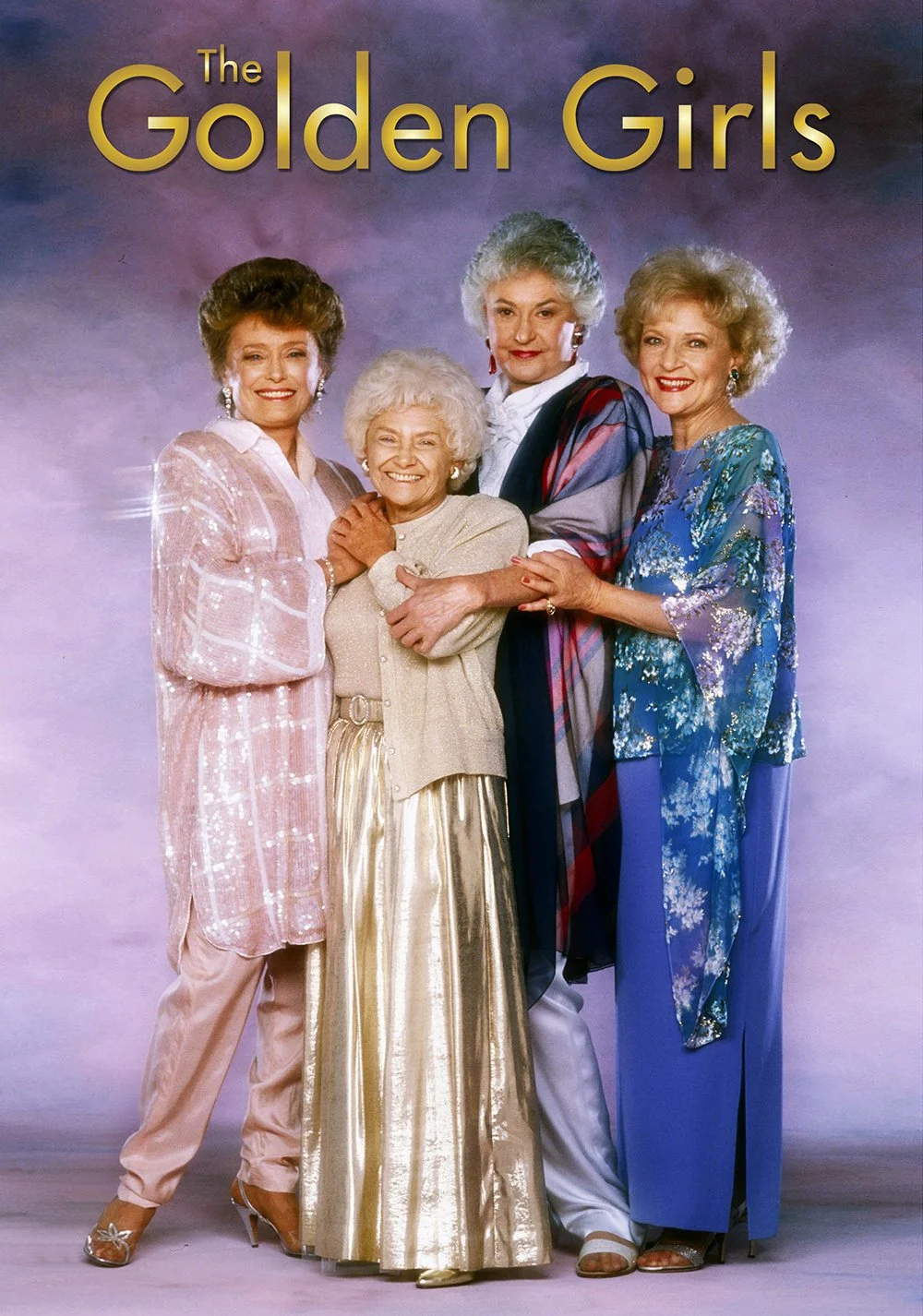
Originally airing from 1985 to 1992, the show followed four older women sharing a home in Miami: Dorothy Zbornak, Blanche Devereaux, Rose Nylund, and Sophia Petrillo.
But what’s fascinating isn’t just the show itself.
It’s the two completely different groups of women who grew up loving it.
The women who watched it during its original run…
and the women who discovered it later in syndication on channels like ION Television.
Both generations adore the show.
But they were shaped by it in very different ways.
The First Generation: Women Watching It in Real Time
When The Golden Girls premiered in the mid-1980s, it was radical.
The show centered older women who were:
independent
dating
opinionated
financially responsible for themselves
This was unusual for television at the time.
For many women watching during the original broadcast era, the show represented a glimpse of what aging could look like if independence remained intact.
Divorce, widowhood, dating after 50, and female friendship were all treated with humor instead of shame.
The women watching in the 80s often saw the characters as a possible future version of themselves.
The show gave them permission to imagine that life didn’t stop after marriage or motherhood.
It simply changed shape.
The Second Generation: Women Raised on Syndication
Decades later, the show found new life through reruns.
Channels like ION and late-night cable blocks introduced the series to younger audiences who had never seen it during its original run.
These viewers grew up in a completely different cultural environment.
For them, The Golden Girls wasn’t a glimpse of the future.
It was a comforting artifact of the past.
Instead of seeing Dorothy or Blanche as potential versions of themselves, many younger viewers saw them as:
grandmother figures
nostalgic comfort characters
symbols of cozy television
The humor still worked. The chemistry still sparkled.
But the cultural impact landed differently.
Same Show, Different Cultural Moment
This is where the generational divide becomes interesting.
The women who watched the show live in the 80s experienced it as a form of social permission.
It normalized independence for older women.
It challenged expectations about aging.
It showed women creating lives outside traditional family structures.
Meanwhile, younger viewers who discovered the show later encountered it in a world where many of those ideas had already become normalized.
What once felt groundbreaking now felt timeless.
The message was the same.
But the context surrounding the message had changed.
Why Both Generations Love It
Despite these differences, both generations of viewers remain fiercely loyal to the show.
That’s because The Golden Girls works on a level deeper than cultural commentary.
At its core, it’s about something universal:
Friendship.
The bond between Dorothy, Blanche, Rose, and Sophia captures a form of chosen family that resonates across decades.
Whether someone watched the show in 1987 or discovered it on cable years later, that emotional core still lands.
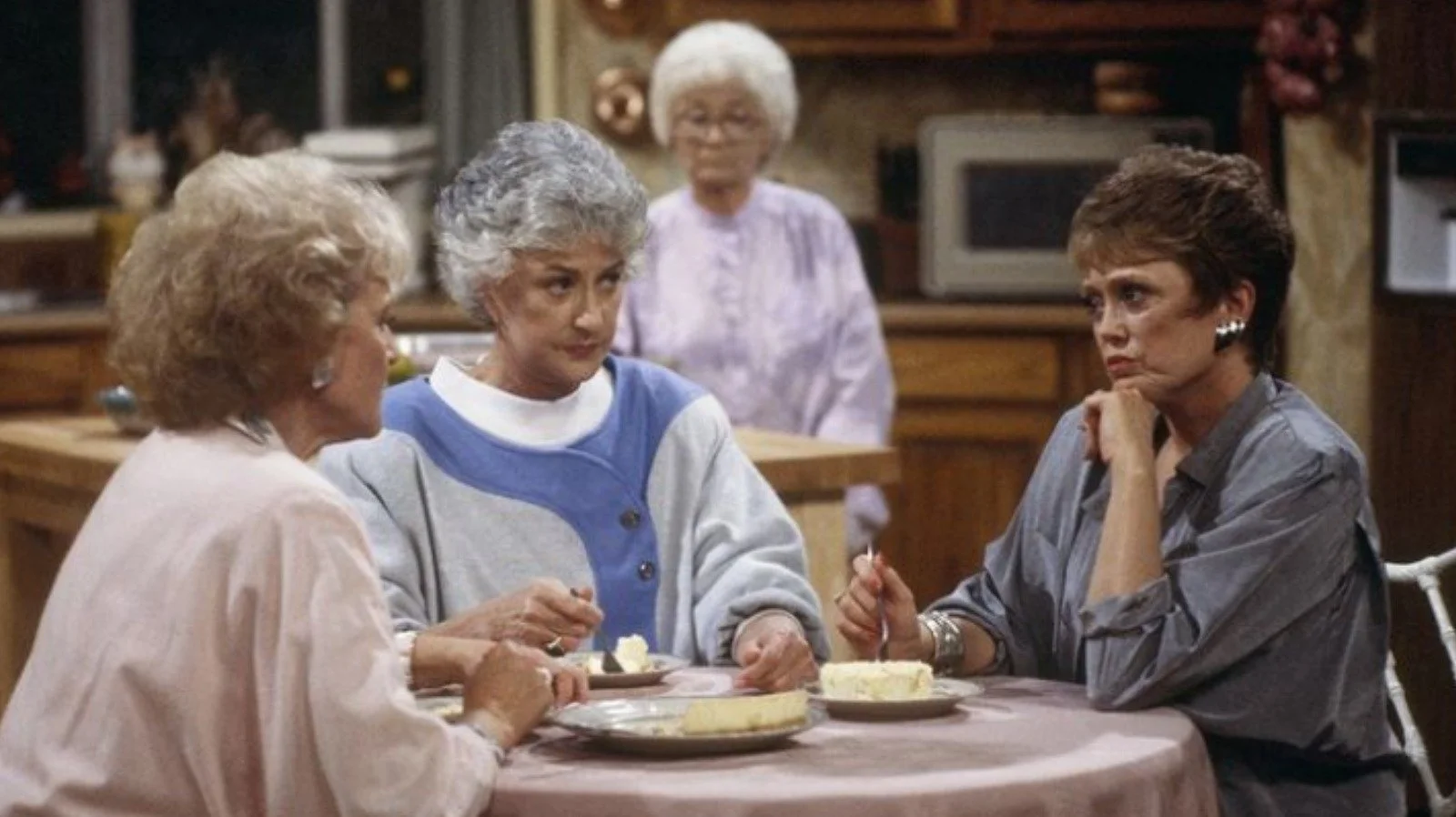
Four women around a kitchen table eating cheesecake and solving life’s problems together.
Somehow, it never stops feeling relevant.
Two Outcomes, One Legacy
The women who watched the show during its original broadcast often carried its lessons forward into their own lives.
The women who discovered it later inherited those cultural shifts as part of their reality.
Two generations.
Two different outcomes.
Yet both share the same affection for the show that started it all.
In a strange way, The Golden Girls became more than just a sitcom.
It became a bridge between generations of women who laughed at the same jokes… while living in very different worlds.