
Breaking Bad is the Best TV Show of All-Time
Every era of television has its great shows.
Some redefine a genre.
Some introduce unforgettable characters.
Some dominate pop culture for a few years before fading into nostalgia.
But every once in a generation, a show appears that changes the standard for everything that comes after it.
For many viewers, that show is Breaking Bad.
Not just a great show.
Not just a cultural phenomenon.
The best television show ever made.
A Simple Premise That Became Mythic
The brilliance of Breaking Bad begins with one of the cleanest premises in television history.
A mild-mannered high school chemistry teacher receives a terminal cancer diagnosis and decides to cook methamphetamine to secure his family’s financial future.
That teacher is Walter White.
At first, his decision seems understandable. Even sympathetic.
But the genius of the show lies in what happens next.
Instead of watching a hero rise, we watch a man slowly transform into the villain.
The Most Compelling Character Transformation Ever Written
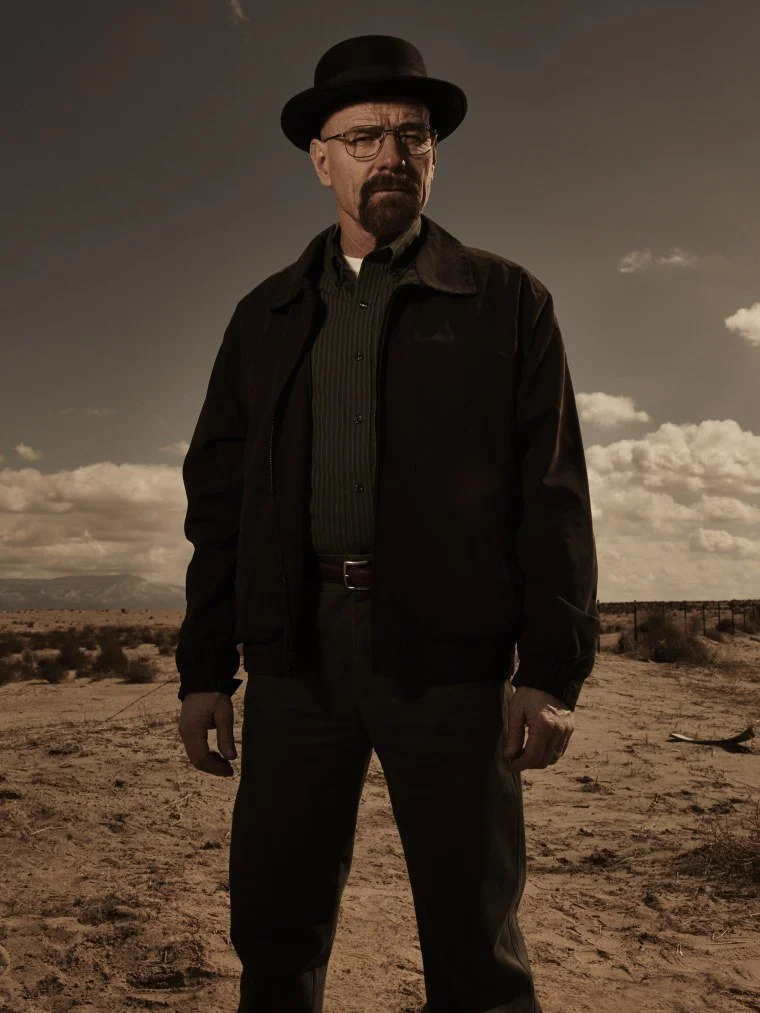
Television has produced many iconic characters, but few arcs match the evolution of Walter White.
When the series begins, Walter is timid and frustrated with life. He feels invisible and disrespected.
But once he enters the criminal world, something inside him awakens.
Power.
Pride.
Control.
By the time he adopts the name Heisenberg, the transformation is complete.
What makes the arc so powerful is that the change never feels sudden or forced. It unfolds gradually, episode by episode, decision by decision.
The audience watches the moral line move… until it disappears entirely.
A Perfect Partnership
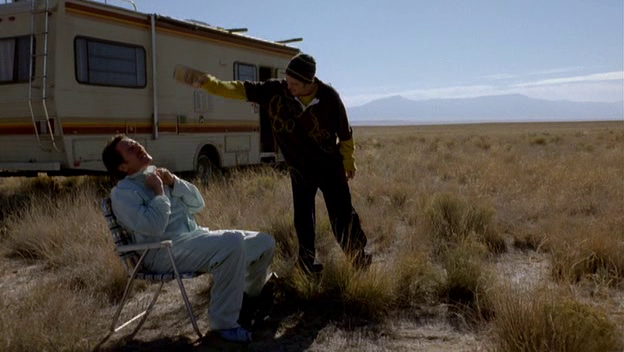
Another key ingredient in the show’s success is Walter’s unlikely partnership with Jesse Pinkman.
Jesse begins as a small-time drug dealer and former student of Walter’s.
Their relationship becomes the emotional core of the series.
Walter represents ruthless ambition.
Jesse represents conscience and vulnerability.
Together they create one of the most fascinating and heartbreaking dynamics ever seen on television.
Cinematic Storytelling
Part of what makes Breaking Bad feel so different from other television shows is its visual language.
Set in the stark landscapes of Albuquerque, the show often feels more like a carefully crafted film than a weekly series.
Wide desert shots emphasize isolation.
Close-ups capture every flicker of emotion.
Every frame feels intentional.
Instead of rushing the story, the creators allow tension to build slowly, turning even quiet moments into suspense.
A Show That Respects Its Audience
Breaking Bad never underestimates its viewers.
It refuses to rely on cheap twists or convenient storytelling.
Consequences matter.
Choices echo through future episodes.
Small details introduced early in the series become critical later.
That careful construction makes the show feel like a single, massive narrative rather than a collection of disconnected episodes.
By the time the final season arrives, every thread is tightening toward an inevitable conclusion.
The Rare Perfect Ending
Many legendary television shows struggle with their finales.
Breaking Bad did the opposite.
Its final episode delivers something incredibly rare: a conclusion that feels both surprising and completely earned.
Walter White’s story ends exactly where it was always heading.
The result is a finale that feels less like the end of a show and more like the final chapter of a modern American tragedy.
Why It Still Stands Above the Rest
Years after its finale, Breaking Bad continues to dominate conversations about the greatest television series ever created.
The reasons are simple but powerful:
a flawless character arc
unforgettable performances
cinematic storytelling
and writing that never compromises
It is a show that begins with a desperate decision and grows into a sweeping exploration of pride, power, and identity.
And by the time the final scene fades to black, one thing becomes clear.
Walter White didn’t just break bad.
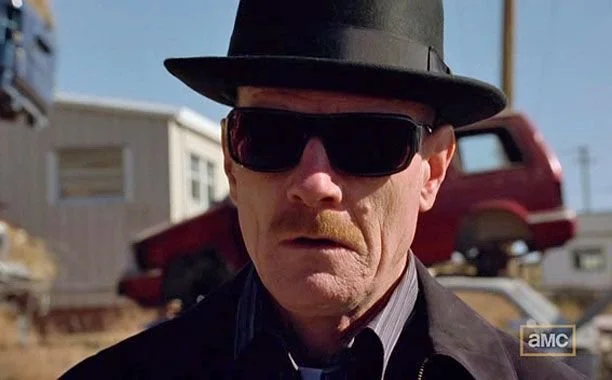
He helped create the gold standard for television storytelling.